As an Amazon Associate this site earns from qualifying purchases.
Quick Picks
| Product | Role in the routine | What the listing establishes | Link |
|---|---|---|---|
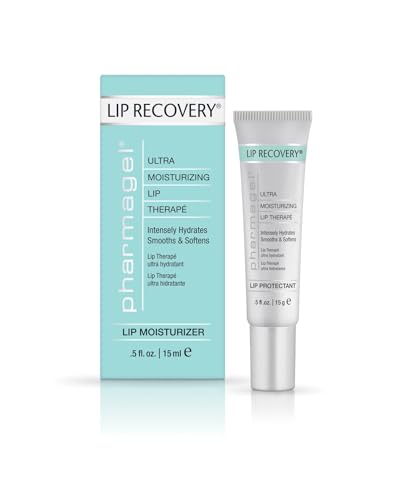
| Pharmagel Lip Recovery Protectant | Prep layer, applied ahead of colour | Peptide-infused formula described as helping improve the appearance of vertical lip lines, and marketed as a smooth base for lipstick or gloss; 0.5 oz | Check Price on Amazon |
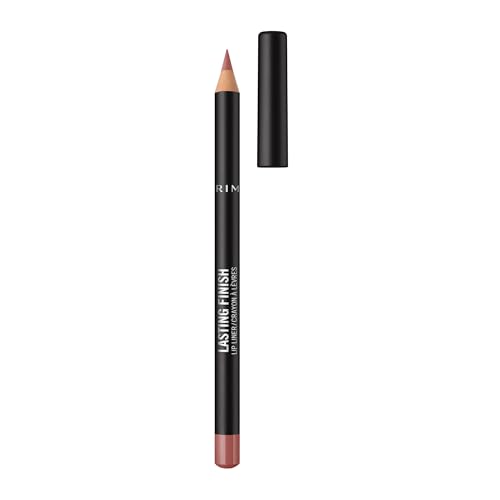
| Rimmel Lasting Finish 8HR Soft Lip Liner Pencil | Edge control and colour base | Listed as preventing bleeding and feathering, with a soft creamy texture that glides on with no pulling; 1.2 g (0.04 oz) | Check Price on Amazon |
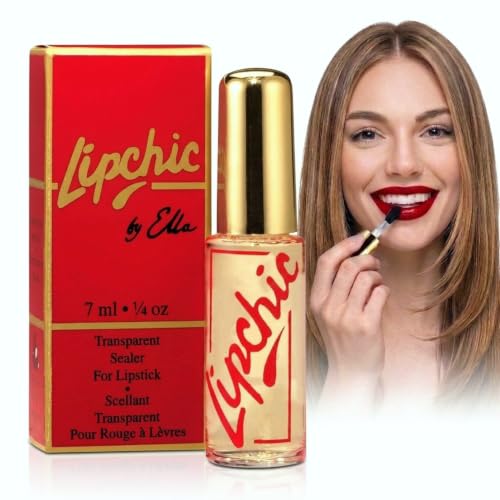
| Ella International Lip Chic Clear Lipstick Sealer | Top layer for long events | Described as making lipstick waterproof and smudge-proof and drying to a clear matte finish without altering the shade; 0.25 oz | Check Price on Amazon |
Disclosure: We earn a small commission from qualifying Amazon purchases at no extra cost to you.
As an Amazon Associate, we earn from qualifying purchases.Last Updated: September 2026
Short answer: lip colour feathers because there is somewhere for it to travel — vertical lip lines, an unsealed lip border, or a slick balm layer underneath that lets pigment slide. It disappears from the centre of your lips because that is the zone that does all the mechanical work: talking, sipping, pressing your lips together. Fix the migration path and fix the slip, and you fix both problems. Everything below is built around that logic.
The Problem: Two Different Failures That Look Like One
People describe "my lipstick doesn't last" as a single complaint, but it is really two.
Failure one: outward migration (feathering and bleeding). Colour creeps past your lip border into the fine vertical lines around the mouth. This needs three things to happen — a mobile formula, an undefined edge, and a texture on the skin for the pigment to wick into.
Failure two: centre wear. The middle of the lower lip goes bare first while the outer edges stay pigmented. Nothing has migrated outward here; the colour has been physically removed by friction, food, drink and lip-pressing. A liner alone will not save you from this one, which is why so many people line their lips, still lose the centre, and conclude liner "doesn't work."
They call for different tools. Treat them separately.
Step-by-Step: The Fix
- Deal with texture before you deal with colour. Dry, flaky, deeply lined lips give pigment a rough surface to catch on and a channel to travel down. Condition them as a daily habit, not a thirty-second pre-lipstick step.
- Let your prep layer settle, then blot. A balm that is still wet under lipstick is a lubricant. Give it a few minutes and press with tissue so you keep the softened surface without the slip.
- Line the full lip, not just the outline. Draw the border first, then fill the entire lip with liner. The border stops outward travel; the fill gives the centre of your lips a gripping layer that survives after the top coat of lipstick wears away.
- Apply colour, blot, reapply. Two thin layers with a tissue press between them anchor better than one thick one. Thick single coats are exactly what slides into lip lines.
- Seal only if the day demands it. A sealer is for long events and eating and drinking, not for a quick coffee run.
- Reapply to the centre only. When the middle goes bare, patch it. Reapplying the whole lip layers pigment onto the still-intact edges, which is how a clean line turns into a bleeding one by evening.
Tools and Products You'll Need
Pharmagel Lip Recovery Protectant — Best for lips where the feathering starts with dry, lined texture
If your colour bleeds because there are visible vertical lines to bleed into, start here. The listing describes a peptide-infused formula that helps improve the appearance of vertical lip lines while supporting softer, smoother-looking lips, with aloe vera, shea butter, coconut palm conditioners and vitamins for moisture. It is also positioned specifically as a smooth base for lipstick or gloss rather than a heavy occlusive.
Read that carefully: the claims are about appearance of lip lines and about surface softness. That is a cosmetic smoothing claim, not a structural one, and this website has not tested it. The reasonable inference is that a smoother, better-conditioned lip surface gives migrating pigment fewer channels to wick into — but the listing does not promise that outcome, and neither do we.
The recommended cadence is morning and evening, or whenever extra hydration is needed. At 0.5 oz it is the largest of the three in stated size, which suits the daily-habit role it plays here.
Suits: anyone whose bleeding tracks with dryness and visible lip lines. Consider: it is a moisturising base, so blot before colour — a slick surface works against you.
Rimmel Lasting Finish 8HR Soft Lip Liner Pencil — Best for stopping outward bleed at the lip border
This is the load-bearing product in the routine. Rimmel's listing states directly that the formula prevents bleeding and feathering, and describes a soft, creamy texture that glides on with no pulling or tugging. That texture note matters more than it sounds: a hard, draggy pencil encourages you to press harder, and pressing harder on delicate lip skin is how you end up with a wobbly line in the first place.
The listing also says the vibrant colour blends easily and that the formula locks lipstick in place for 8 hours. Treat the 8-hour figure as the manufacturer's own claim about the liner, not a guarantee for whatever lipstick you put on top of it.
The practical limitation is shade: this specific product is 760 90's Nude. If your wardrobe is reds and berries, a nude liner filled across the whole lip will mute them, so use it as a border and let a matching product do the fill.
Suits: feathering at the edges, and anyone who wants a full-lip base layer under nude and neutral shades. Consider: single stated shade, and 1.2 g (0.04 oz) is a standard slim pencil, so it is a consumable.
Ella International Lip Chic Clear Lipstick Sealer — Best for long events with eating and drinking
This is the answer to centre wear specifically. The listing describes a lightweight, transparent sealer that makes lipstick waterproof and smudge-proof and keeps lip colour intact through eating, drinking and long events. It dries quickly to a clear matte finish without altering the shade.
That last detail is the useful one. A sealer that shifts your shade defeats the purpose; this one is described as leaving the colour as-is. The stated matte dry-down also implies you lose any shine you had — expect a flat finish, by design.
One hard exclusion from the listing: not for frosted lipsticks. If your everyday colour is frosted or metallic, this is not your product, and the listing says so.
Suits: weddings, long shifts, dinners — the situations where the centre of your lips takes the most abuse. Consider: for the Ella International Lip Chic Clear Lipstick Sealer (ASIN B000VUYSA2), frosted formulas are excluded, the finish goes matte, and the stated size is 0.25 oz.
Tips for Best Results
- Blot between every layer. Tissue removes the mobile top film and leaves the anchored pigment.
- Match liner shade to intent, not to lipstick. A border liner should disappear; a full-lip base should be compatible with your colour.
- Drink through a straw during long events, and sip rather than gulp — the centre-lip contact zone is where colour goes first.
- If you use a sealer, apply it to fully set colour, not to a wet layer.
- Reserve the heaviest routine for the days that need it. Three layers every day is unnecessary friction on your lips.
Common Mistakes to Avoid
- Applying balm immediately before lipstick. The most common cause of self-inflicted slide. Prep is a habit; it is not a primer applied ten seconds before colour.
- Lining only the outline. Your border holds, your centre still vanishes, and the mismatch looks worse than no liner.
- Piling on one thick coat. Thickness is mass, and mass migrates.
- Sealing a frosted lipstick. The Ella International listing explicitly excludes frosted lipsticks.
- Full-lip reapplication all day. Build-up at the edges is what turns a crisp line into a bleeding one.
- Assuming one product does everything. Edge control, texture prep and wear resistance are three jobs.
How We Research
This website does not do hands-on testing, and it says so on every page. For this guide we pulled each product's verified record through the Amazon Creators API on 10 September 2026, read every published listing feature bullet for each ASIN individually, and reasoned from the stated claims and sizes to figure out which failure mode each product actually addresses. Where a listing makes a claim about appearance rather than function — as the Pharmagel bullets do about lip lines — we kept that distinction intact instead of upgrading it. No product was worn, opened, timed or measured here.
Final Verdict
If you are buying one thing, buy the liner. Rimmel's listing states plainly that the formula prevents bleeding and feathering, and the outward-migration problem is the one that is most visible to other people and most fixable with a single product. Its soft, creamy texture is the right characteristic for the job.
If your bleeding is clearly texture-driven — you can see the vertical lines the colour travels down — pair it with the Pharmagel Lip Recovery Protectant as a daily conditioning habit, not a same-minute base.
Add the Ella International Lip Chic Clear Lipstick Sealer only when the day involves food, drink and hours, and only if your lipstick is not frosted. That is the whole system, and there is no version of it where all three products are strictly necessary every morning.
Related Resources
- How to build a long-wear lip routine
- Choosing a lip liner shade
- Matte versus satin lipstick finishes
- U.S. Consumer Product Safety Commission — consumer product safety information
- USA.gov — consumer protection resources
Sources & Methodology
Nobody at this website wore, swatched, timed or laboratory-tested any of these three products; there is no lab here and no wear trial behind this page. What we did was read each ASIN's verified Amazon Creators API product record and every published listing feature bullet on 10 September 2026, then map those manufacturer and retailer claims onto the two distinct ways lip colour fails — outward migration and centre wear. For cosmetics, that kind of specification reading reliably tells you what a product is formulated to do and where its stated exclusions are, such as the sealer's frosted-lipstick warning, but it cannot tell you how a formula feels or wears on your particular lips. Treat the claims above as the manufacturers' own, and your first application as the real answer.